Guide
Event Marketing for Small Businesses
Discover effective event marketing strategies for small businesses to enhance brand visibility and drive sales. Learn more here!
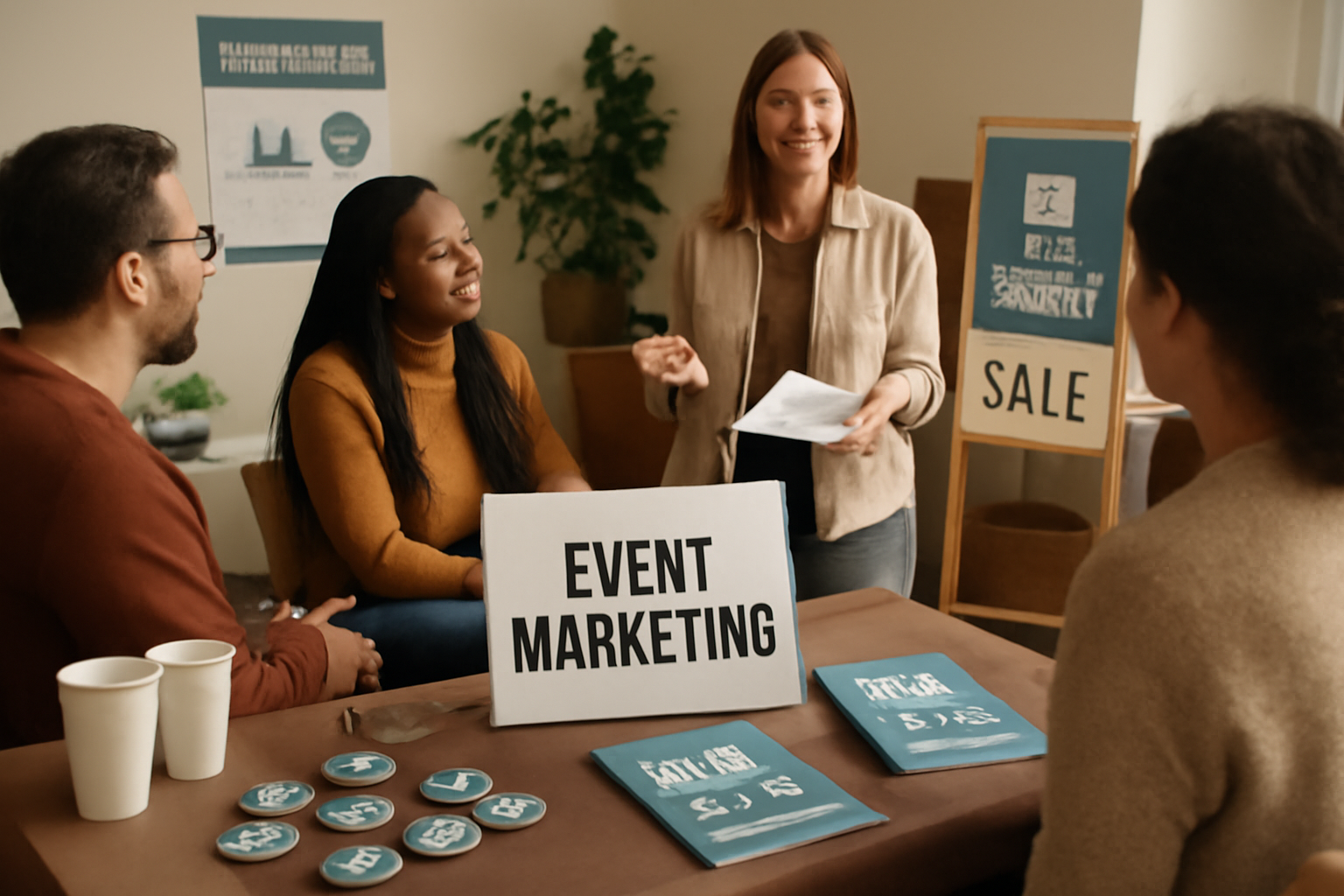
Event Marketing for Small Businesses
Event marketing is crucial for small businesses to enhance brand visibility and connect with customers. By hosting creative events, businesses can drive engagement and sales growth efficiently. This guide explores effective strategies for executing impactful event marketing campaigns.
Understanding Event Marketing for SMBs
Event marketing involves the promotional efforts focused on engaging audiences through various types of events, including in-person, virtual, or hybrid formats. For small businesses, crafting events around their offerings can lead to significant benefits:
- Fosters Customer Connections: Face-to-face interactions help build trust.
- Showcases Products or Services: Attendees get firsthand experiences.
- Drives Revenues: Well-planned events lead to immediate sales boosts.
- Expands Brand Reach: Engaging content can be shared across social media.
To maximize these outcomes, small businesses (SMBs) should adopt effective event marketing strategies, allowing them to stand out in a competitive market.
Planning Your Event Marketing Strategy
Setting Clear Goals and Identifying Your Audience
Begin by defining your event's goals, such as:
- Increasing community engagement
- Boosting brand recognition
- Driving sales during peak seasons or for new offerings
- Educating customers about products or services
Identifying the right audience is crucial to tailoring event invitations and promotions effectively. For insights on customer engagement, check out our article on How to Send Professional Event Invitations for Your Yoga Studio.
Selecting the Perfect Event Type
Your event format should reflect your business goals and audience interests. Types include:
- Workshops: Hands-on sessions sharing expertise.
- Product Launches: Generate buzz for new products.
- Networking Opportunities: Connect with local partners and customers.
- Seasonal Celebrations: Engage customers during holidays.
Effective Promotion for Your Event
Marketing your event should leverage multiple channels:
- Digital Invitations: Use platforms like MintInvite for seamless RSVP tracking and professional invitations.
- Social Media Promotion: Create event pages to engage and inform your audience.
- Email Campaigns: Send targeted invitation messages to your subscribers.
- Local Partnerships: Collaborate with other local businesses to broaden your audience.
For examples of effective invitation tools, consider our guide on Best Free Digital Invitation Tools for Kids' Parties to explore adaptable solutions.
Executing a Memorable Event
Successful events happen with meticulous planning and execution:
- Set up early and test technology.
- Create a detailed schedule for the event.
- Engage with guests and utilize feedback channels for improvements.
Wrap-Up and Importance of Follow-Up
Following up after your event is essential:
- Thank attendees through personalized messages.
- Share highlights, photos, or videos to maintain engagement.
- Leverage attendee feedback for future improvements.
By employing the right strategies, your small business can excel in event marketing, creating a lasting impact and connecting with customers meaningfully. Consider using MintInvite to streamline your invitation process and enhance your event outcomes.
Embrace event marketing as a powerful tool for your small business growth. Start planning your next event today and let MintInvite simplify the process!
Conclusion
Event marketing is a vital method for small businesses to drive brand awareness and customer engagement. By setting clear goals, selecting ideal event types, and effectively promoting your initiatives, you can maximize success and foster lasting connections with your audience. For tools that make managing your events effortless, turn to MintInvite for your event marketing needs!
Explore More Related Reads: